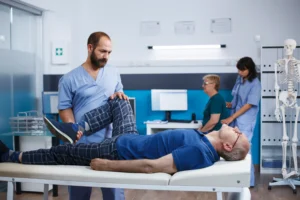
Joint pain can make even ordinary activities feel difficult. Climbing stairs, walking to the market, sitting for long periods or getting out of bed may become uncomfortable when your bones, joints or muscles are not working as they should. Sometimes the problem improves with rest, but persistent pain, stiffness or difficulty moving deserves proper medical attention.
Choosing the right orthopedic doctor is an important step towards understanding the cause of these problems and finding an appropriate treatment plan. With different specialists, hospitals and treatment options available, knowing what to look for can make the decision easier.
If you are searching for the best orthopedic doctor in guntur, focus on the doctor’s qualifications, experience, communication style and ability to address your specific condition rather than relying on advertisements alone.
What Does an Orthopedic Doctor Treat?
An orthopedic doctor specialises in conditions affecting the musculoskeletal system, including bones, joints, muscles, ligaments, tendons and related structures.
Depending on their training and area of practice, orthopedic specialists may assess and manage conditions such as:
- Knee, hip and shoulder pain
- Arthritis and joint stiffness
- Sports injuries
- Bone fractures and dislocations
- Back and neck problems
- Ligament and tendon injuries
- Osteoporosis-related fractures
- Mobility difficulties associated with joint conditions
Treatment depends on the underlying problem. Some patients may benefit from medication, physiotherapy, activity changes or other non-surgical care. Others may need further investigations or surgery.
1. Check the Doctor’s Qualifications and Registration
Start by checking whether the doctor has the appropriate medical qualifications and recognised specialist training in orthopedics.
You can also verify the doctor’s registration through the relevant medical council or official registry. This helps establish that the practitioner is appropriately qualified to provide medical care.
Qualifications are important, but they are only one part of the decision. You should also consider the doctor’s experience with the particular condition you need help with.
2. Look for Experience With Your Specific Condition
Orthopedics covers a wide range of problems, and doctors may develop particular interests or expertise in different areas.
For example, someone with recurring knee pain may need a specialist experienced in knee conditions, while a patient recovering from a fracture may require fracture management and rehabilitation.
Before booking an appointment, ask whether the doctor regularly evaluates your type of problem. If surgery has been recommended, discuss the procedure, its expected benefits, possible risks and available alternatives.
Choosing a doctor whose experience matches your needs can help you have a more informed discussion about treatment.
3. Consider the Hospital and Available Facilities
The hospital where a doctor practises can also influence your care experience. Depending on your condition, you may need diagnostic imaging, laboratory investigations, physiotherapy, surgical facilities or follow-up appointments.
Before choosing a hospital, find out which services are available and whether you would need referrals to another facility for particular tests or treatments.
It is also useful to ask about appointment scheduling, emergency arrangements and post-treatment support.
If you are considering a procedure, confirm that the hospital provides the specific treatment being discussed rather than assuming every orthopedic service is available.
4. Choose a Doctor Who Explains Your Treatment Clearly
A good medical consultation should give you an opportunity to describe your symptoms and ask questions.
Your orthopedic doctor should explain the likely cause of your problem, whether further tests are needed and what treatment options may be suitable. They should also discuss potential risks and realistic expectations.
Pay attention to whether the doctor listens carefully, answers questions clearly and involves you in decisions about your care.
You should feel comfortable asking questions such as:
- What might be causing my pain?
- Do I need an X-ray, MRI or another investigation?
- Can the condition be managed without surgery?
- What are the benefits and risks of the recommended treatment?
- How long might recovery take?
- Will I need physiotherapy or follow-up visits?
Clear communication helps you understand your options and make decisions with greater confidence.
5. Understand the Available Treatment Options
Orthopedic treatment does not always mean surgery. The appropriate approach depends on the diagnosis, severity of symptoms, general health and the effect the condition has on everyday activities.
Depending on the problem, treatment may include:
Medication: A doctor may recommend medicines to manage pain or inflammation when appropriate.
Physiotherapy: Guided exercises can help improve strength, flexibility, balance and movement.
Lifestyle adjustments: Changes to activity levels, exercise routines or weight management may help some patients reduce strain on their joints.
Injections or other procedures: These may be considered for selected conditions after discussing their likely benefits and risks.
Surgery: An operation may be recommended when other treatments are unlikely to provide sufficient relief or when the condition requires surgical management.
Ask why a particular option is recommended and whether reasonable alternatives are available. Be cautious of anyone promising guaranteed results.
6. Check Patient Feedback Carefully
Online reviews can help you learn about other patients’ experiences with a doctor or hospital. They may offer useful information about appointment arrangements, staff communication and the overall patient experience.
However, reviews should not be the only basis for choosing a specialist. Individual experiences differ, and online ratings do not necessarily establish clinical quality or predict treatment outcomes.
Look for recurring, specific feedback rather than relying on one unusually positive or negative comment. Combine this information with professional qualifications, relevant experience and a direct consultation.
7. Consider Location, Cost and Follow-Up Care
Orthopedic treatment may involve several appointments, particularly when physiotherapy, recovery monitoring or rehabilitation is needed.
Choosing a conveniently located hospital in Guntur may make it easier to attend follow-up visits. Before starting treatment, ask about consultation fees, diagnostic costs, treatment charges and any additional expenses that may apply.
If surgery is being considered, request a clear explanation of the estimated costs and what is included. You should also understand the expected follow-up schedule and any rehabilitation requirements.
The most suitable doctor is not necessarily the least expensive or the most expensive. Consider the overall quality, suitability and accessibility of care.
8. When Should You Consult an Orthopedic Doctor?
You may want to arrange an orthopedic consultation if you experience:
- Persistent joint or bone pain
- Repeated swelling or stiffness
- Difficulty walking or moving a joint
- Pain that interferes with sleep or everyday activities
- Recurrent sports-related injuries
- Ongoing symptoms after an earlier injury
- Reduced mobility that does not improve
Seek urgent medical care if you have a suspected fracture, a visibly deformed limb, severe pain after an injury or an inability to bear weight following trauma. A hot, swollen joint accompanied by fever also needs prompt assessment.
Do not delay emergency care while trying to arrange a routine specialist appointment.
Finding Orthopedic Care at Happy Hospitals, Guntur
Patients looking for orthopedic care in Guntur can explore the services offered by Happy Hospitals and discuss their concerns with the hospital’s medical team. Dr. Sivaiah Potla is associated with orthopedic and joint-related care at the hospital.
Before booking, confirm the doctor’s current consultation schedule, the services available for your condition and whether any required investigations or procedures are provided at the facility.
For patients comparing options for the best orthopedic doctor in guntur, a consultation is an opportunity to discuss symptoms, understand the diagnosis and learn about suitable treatment choices. The final decision should be based on your individual medical needs and a qualified professional’s assessment.
Final Thought
Choosing the right orthopedic doctor starts with finding someone qualified, experienced and willing to explain your options clearly. If you are searching for the best orthopedic doctor in guntur, compare your choices carefully and prioritise appropriate treatment, clear communication and long-term mobility.
Happy Hospitals in Guntur provides orthopedic and joint-related care to help patients address bone, joint and mobility concerns. Consult the medical team to understand your condition and explore suitable treatment options for your needs.